2026 Acupuncture Review: 7 Surprising Benefits & Real Cost
Table of Contents
Quick Answer
Bottom line: This profile helps you evaluate wellness providers fast with essential decision data.
Key Facts
- Verification status: editorially reviewed
- Data refresh cycle: ongoing
- Best for: users comparing options quickly
Affiliate disclosure: Some links in this guide are affiliate links. If you click and purchase, we may earn a commission at no extra cost to you. We only recommend services we believe are a good fit for our readers.
2026 Acupuncture Review: 7 Surprising Benefits & Real Cost
Quick answer: Acupuncture is an evidence-informed practice that reduces chronic pain, lowers anxiety, improves sleep, and supports several other health goals. It works by stimulating specific points on the body to regulate the nervous system, reduce inflammation, and promote natural pain-relief pathways. Sessions typically cost $75 to $150 without insurance, or around $50 with coverage. When evaluating acupuncture benefits and cost 2026 data, it remains a high-value intervention for chronic conditions.
You have probably heard of acupuncture. You may have wondered if it actually works, what it costs, and whether you are the right person to try it. Those are reasonable questions, especially when wellness budgets are limited and the research can feel hard to read.
This guide answers all of them plainly. It draws on current clinical evidence, real cost data for 2026, and practical guidance on how many sessions to expect. Whether you are researching acupuncture for chronic back pain, stress, or something else entirely, you will find a clear picture here.
What Is Acupuncture and How Does It Work?
Acupuncture originated in traditional Chinese medicine and has been practiced for over 2,000 years. Today, it is recognised as a legitimate treatment option by the World Health Organization and is covered by Medicare in the United States for chronic low back pain.
The mechanism is better understood than it once was. Inserting thin, sterile needles into specific body points stimulates sensory nerves, which triggers the release of endorphins and other neurotransmitters. Research published in the Journal of Chemical Neuroanatomy (2020) shows that acupuncture affects the hypothalamus-pituitary-adrenal axis, the system responsible for stress regulation. It also reduces levels of pro-inflammatory cytokines in chronic pain patients.
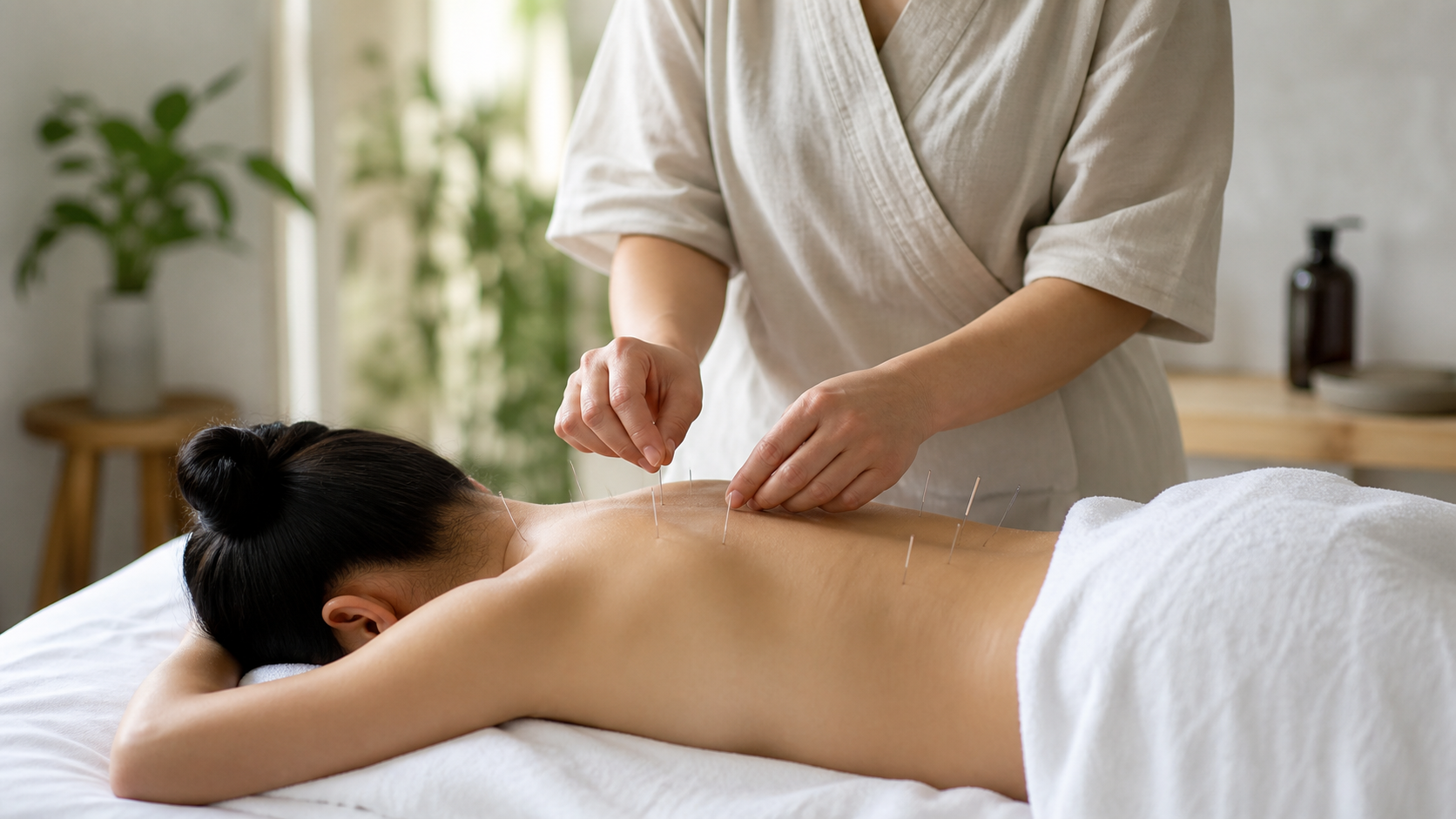
A typical session lasts 45 to 60 minutes. The acupuncturist takes a health history, identifies relevant points, and inserts needles that stay in place for 20 to 30 minutes while you rest. Most people describe mild pressure or warmth at the insertion sites, not pain.
Benefit 1: Chronic Pain Relief (The Strongest Evidence)
Pain relief is where the acupuncture evidence is most consistent and most studied.
A 2025 Cochrane-aligned synthesis published in Medicina reviewed systematic reviews covering over 20,000 patients and found high to moderate certainty evidence that acupuncture significantly reduces chronic pain across multiple conditions, including low back pain, neck pain, and osteoarthritis. (Source: MDPI Medicina, 2025)
A study published through Kaiser Permanente Washington Research Institute in 2025 found acupuncture safe and effective specifically for chronic low back pain in older adults, with benefits sustained at 12-month follow-up. (Source: KPWHRI, 2025)
Harvard Health has also noted that adding acupuncture to usual care produces greater pain relief than usual care alone, with improvements lasting as long as a year after the treatment course ends.
What this means in practice
You are most likely to see meaningful results if your pain has been present for more than three months, if it involves the back, neck, or joints, and if other approaches have provided only partial relief. Acute injuries respond less consistently.
Benefit 2: Anxiety and Stress Reduction
Acupuncture’s effect on anxiety is supported by a growing body of randomised controlled trials.
A 2026 systematic review and meta-analysis published in the Journal of Clinical Psychology found that acupuncture, either alone or combined with medication, outperformed medication alone for generalised anxiety disorder with fewer adverse effects. (Source: Wiley/JCP, 2026)
An earlier review of 27 trials with 1,782 participants found that acupuncture reduced anxiety symptoms in people with generalised anxiety disorder, with effects particularly strong at the 4 to 6 week mark.
The mechanism here overlaps with stress physiology. Acupuncture down-regulates the sympathetic nervous system response, the “fight or flight” state that many people with anxiety live in chronically. By activating the parasympathetic branch, it helps the body return to a state of rest.
Combining acupuncture with mental health support
Acupuncture can reduce the physical symptoms of anxiety: the tight chest, the disrupted sleep, the muscle tension. But it works best as part of a broader support plan for people dealing with significant anxiety or chronic stress.
Many readers who use acupuncture for anxiety also work with a therapist on the cognitive and emotional side. If you are looking for a flexible, evidence-based option for that, BetterHelp connects you with licensed therapists online, with appointments available within days. It is a practical way to address both the body and the mind in the same wellness plan.
For more on nervous system-focused approaches, see our guide on nervous system regulation techniques for anxiety.
Benefit 3: Improved Sleep Quality
Sleep disruption is one of the most common complaints in primary care, and it often sits at the intersection of pain, anxiety, and lifestyle factors. Acupuncture addresses several of these at once.
Research published in the journal Sleep Medicine Reviews (2019) found acupuncture significantly improved sleep quality compared to no treatment, with the strongest effects in people whose poor sleep was connected to pain or anxiety rather than primary insomnia. Effects were measured using validated tools including the Pittsburgh Sleep Quality Index.
Clinically, practitioners often combine sleep-specific acupuncture points with those for stress regulation. Patients typically report noticing sleep changes within three to five sessions.
Who benefits most
People whose sleep problems are secondary to chronic pain, stress, or racing thoughts tend to respond better than those with primary sleep disorders like obstructive sleep apnea, which acupuncture does not address.
Benefit 4: Headache and Migraine Relief
The evidence for acupuncture in headache and migraine prevention is strong enough that the American Headache Society lists it as a recommended preventive option.
A well-cited Cochrane review found that a course of acupuncture (typically 10 sessions over 5 to 8 weeks) reduces the frequency of tension-type headaches and migraines at least as effectively as prophylactic drug treatment, with a more favourable side-effect profile.
The International Association for the Study of Pain (IASP) notes that acupuncture is particularly effective for pain conditions involving central sensitisation, where the nervous system has become overly reactive. Chronic migraineurs often fit this profile. (
Profiles follow a quality checklist and are updated when new verified data is available. Use the contact page to submit updates with supporting details.FAQ
Why trust this information?
How do I request corrections?
Get the Wellness Finder Pro digest
Honest reviews and no-hype guides — straight to your inbox. No spam, unsubscribe anytime.
Some links in our articles are affiliate links. See our full Affiliate Disclosure for details.