Best Gyms in Zurich 2026: Top Fitness Centers Compared
Table of Contents
Quick Answer
Bottom line: This profile helps you evaluate wellness providers fast with essential decision data.
Key Facts
- Verification status: editorially reviewed
- Data refresh cycle: ongoing
- Best for: users comparing options quickly
Best Gyms in Zurich 2026: Top Fitness Centers Compared
Selecting the best gyms in Zurich 2026 requires balancing premium amenities with tangible value, catering to a sophisticated market where monthly fees range from CHF 29 for budget 24/7 access to over CHF 230 for all-inclusive wellness clubs. Your optimal choice depends heavily on your budget, preferred training style, and specific need for ancillary services like spa facilities, physiotherapy, or a strong community network. Navigating this field requires understanding not just the price, but the return on investment regarding your health and time. In a city known for efficiency and high standards, your gym should reflect those values while providing a sanctuary from the fast-paced corporate environment.
With the cost of living in Zurich remaining high, selecting the right fitness partner is a financial decision as much as a lifestyle one. Whether you reside in Zurich West, Enge, or Oerlikon, accessibility and quality remain the primary drivers for membership retention. This comprehensive guide compares the top fitness centers to help you make an informed decision for the year ahead, analyzing contract flexibility, equipment quality, and overall member satisfaction across the city’s leading providers. We delve deep into the specifics of what makes a Zurich gym stand out in a competitive landscape, ensuring you maximize every Swiss Franc spent on your health.
What Defines Zurich’s Fitness Market in 2026?
Zurich’s fitness field in 2026 is a mature, high-value ecosystem defined by intense competition, technological integration, and a holistic approach to member well-being. With an estimated 85 dedicated fitness centers serving the city’s population of approximately 435,000, the density remains high at roughly one facility per 5,100 residents. This saturation drives innovation and specialization, with clubs fiercely competing on experience rather than just price. Data from the City of Zurich’s statistical office and the Swiss Fitness and Health Center Association (SFHC) projects the average monthly membership fee to stabilize around CHF 67, a figure that masks a profound dichotomy in offerings between budget and luxury segments.
The market is distinctly segmented. At one end, budget and low-cost operators like PureGym and NonStop Gym leverage digital management, no-frills models, and high-volume membership to keep prices between CHF 29 and CHF 59. At the other extreme, premium clubs such as Holmes Place and INDIGO justify fees of CHF 120 to CHF 300+ through extensive wellness infrastructures, capped memberships for exclusivity, and integrated health services. A significant 2026 trend is the “hybridization” of mid-market clubs like Migros Fitnesspark and Activ Fitness, which are aggressively incorporating premium spa elements, such as saltwater pools and hammams, into their standard offerings at a CHF 70-95 price point.
Three core trends are shaping the 2026 experience:
- Holistic Health Integration: Gyms are transforming into comprehensive health hubs. It is now standard for mid-tier and above clubs to offer in-house physiotherapy, certified nutrition coaching, mental wellness workshops, and dedicated recovery zones featuring pneumatic compression boots and infrared cabins.
- Technology as a Service Enabler: Beyond simple apps, 2026 sees the widespread adoption of smart equipment with form-feedback AI, integrated wearables data syncing, and real-time facility occupancy trackers to manage peak-hour crowding, specifically between 6-9 AM and 5-8 PM.
- Hyper-Localization and Community: Successful gyms are cultivating niche communities, whether it’s the competitive atmosphere at Reebok CrossFit Zurich or the family-friendly programming at Migros Fitnesspark Puls 5. The generic “one-size-fits-all” gym is becoming obsolete.
Which Neighborhoods Offer the Best Fitness Access?
Location convenience is a critical predictor of membership usage. Zurich West has emerged as a fitness hub, hosting multiple large-scale facilities like Migros Fitnesspark Puls 5 and various CrossFit boxes, catering to the dense residential and office population. The area is particularly popular among younger professionals due to its vibrant nightlife and modern infrastructure, making post-work workouts socially convenient. The proximity to the Hardbrücke train station also makes it accessible for commuters arriving from surrounding cantons.
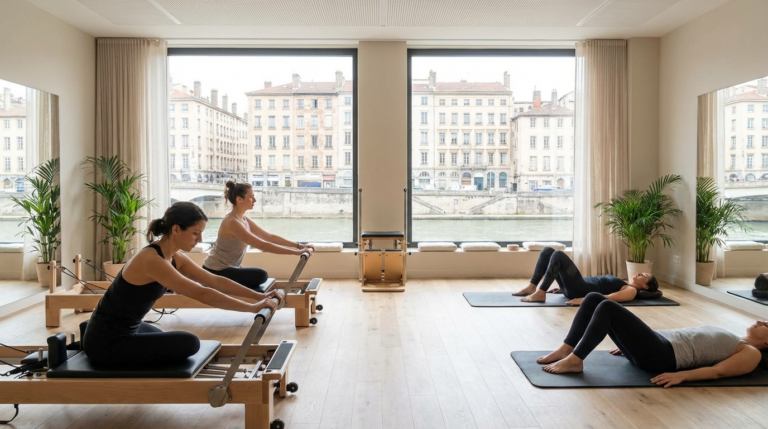
Conversely, the City Center (Kreis 1) features high-end boutique studios and luxury clubs like INDIGO, targeting professionals working in the financial district. These locations prioritize privacy and exclusive services over large group classes. For residents in the suburbs like Oerlikon or Altstetten, large footprint gyms with ample parking are more common, accommodating those who commute by car. When choosing, consider the proximity to your home or office, as reducing friction increases the likelihood of consistent attendance. Additionally, districts like Kreis 4 and 5 offer a vibrant mix of boutique studios and larger chains, making them ideal for younger professionals seeking variety and community-driven training environments. Residents in Wiedikon and Hottingen also benefit from specialized studios focusing on pilates and yoga, complementing traditional weightlifting venues.
What Makes a Top-Tier Gym in Zurich?
Identifying a top-tier gym in Zurich
Related reading: Best Fitness Trackers 2026 That Actually Work: Top Picks Tested
FAQ
Why trust this information?
Profiles follow a quality checklist and are updated when new verified data is available.
How do I request corrections?
Use the contact page to submit updates with supporting details.
Get the Wellness Finder Pro digest
Honest reviews and no-hype guides — straight to your inbox. No spam, unsubscribe anytime.
Some links in our articles are affiliate links. See our full Affiliate Disclosure for details.